

AstraZeneca's Strategic Moves Amid Challenges
Cashu Finance·5 min read
TL;DR
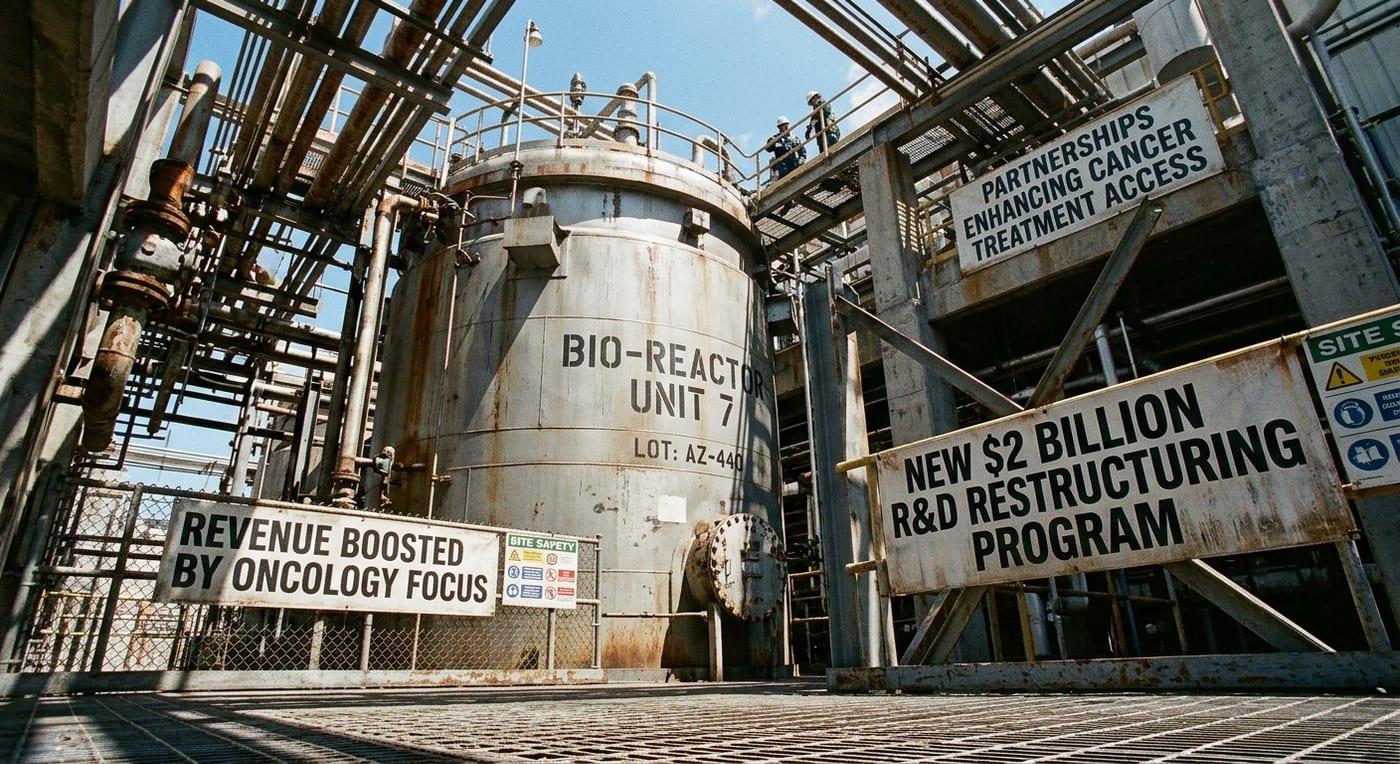
- AstraZeneca reported a 7% revenue increase driven by oncology.
- The company is investing $2 billion in R&D through a restructuring program.
- Partnerships are enhancing cancer treatment accessibility and effectiveness.
AstraZeneca PLC (AZN) is navigating a multifaceted landscape marked by both challenges and growth opportunities. The company's recent performance highlights a robust strategy aimed at overcoming obstacles while positioning itself for long-term success, particularly in oncology. As AstraZeneca pursues its ambitious sales goal of $80 billion by 2030, various strategic initiatives and partnerships illustrate its commitment to innovation and market leadership.
The company reported a 7% increase in total revenue and a 14% rise in core earnings per share during the first nine months of 2026, driven mainly by significant growth in its oncology and rare disease segments. However, AstraZeneca is facing headwinds stemming from expiring patents on key cardiovascular drugs. Despite these challenges, strong sales from its oncology products, particularly Tagrisso, are reinforcing its revenue streams.
Growth Through Innovative Partnerships
AstraZeneca’s recent collaborations underline its focus on strengthening its oncology portfolio, which has been a major growth driver. The partnership with Summit Therapeutics emphasizes the combination of antibody-drug conjugates (ADCs) with next-generation immuno-oncology therapies, aiming to create flexible treatment options across various cancer types. CEO Pascal Soriot expressed optimism regarding ADCs becoming a cornerstone of cancer treatment, indicating AstraZeneca’s intent to lead the market segment.
In addition to partnerships, the restructuring initiative, dubbed the "Reshaping for Sustainable Growth" program, aims to facilitate a cost reallocation strategy that will redirect up to $2 billion into research and development (R&D). By reallocating these resources, AstraZeneca plans to enhance its pipeline, an essential move as it faces increased competition and the necessity for continuous innovation. This initiative reflects the core strategy of investing in future growth areas while simultaneously addressing immediate financial pressures.