

AST SpaceMobile's Satellite Vision for Connectivity
ED
Editorial
Cashu Finance·5 min read
TL;DR
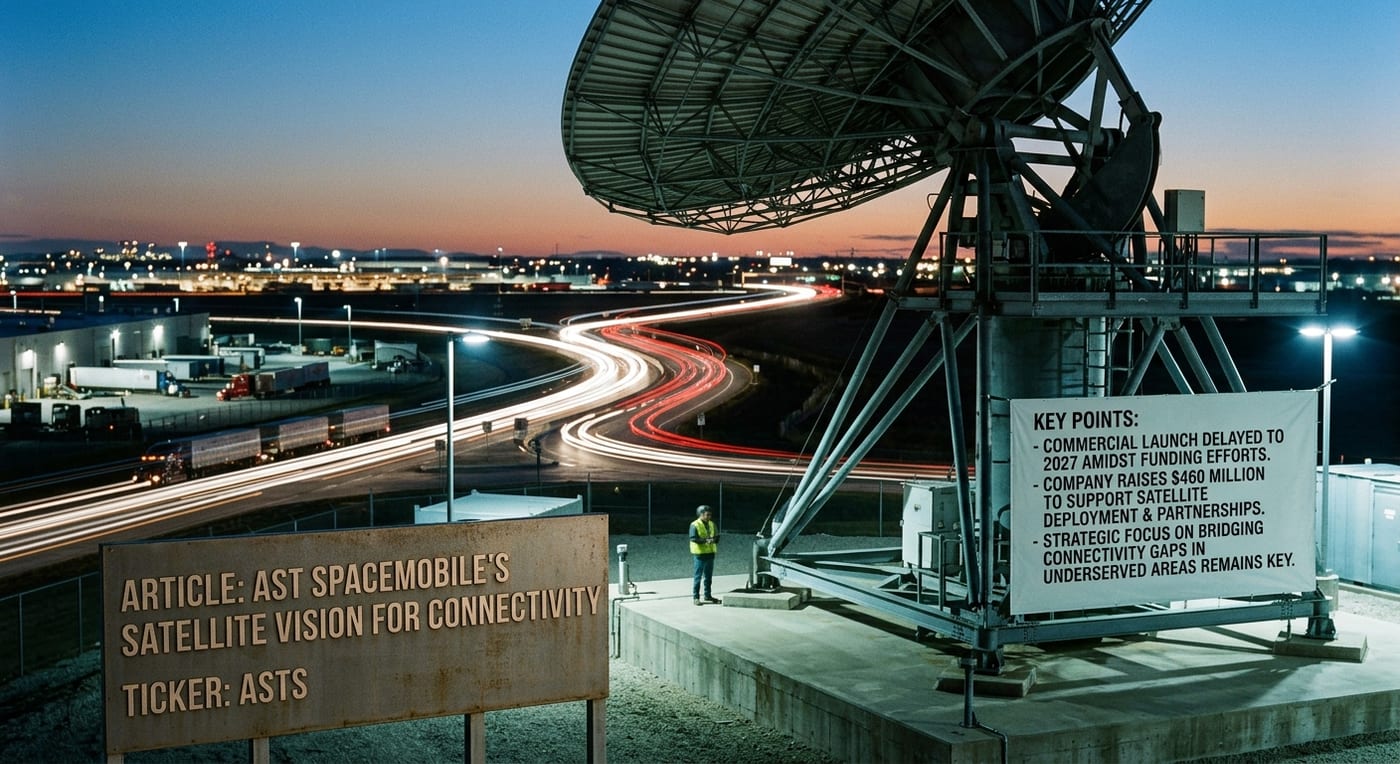
- AST SpaceMobile delays commercial launch to 2027 amidst funding efforts.
- Company raises $460 million to support satellite deployment and partnerships.
- Strategic focus on bridging connectivity gaps in underserved areas remains key.
AST SpaceMobile, Inc. (ASTS) is boldly stepping into the transformative landscape of satellite communications, aiming to connect mobile devices directly to its constellation of satellites. The company aspires to bridge connectivity gaps in unserved and underserved areas, addressing a critical demand in today’s hyper-connected world.
Understanding AST SpaceMobile's Position
In recent months, AST SpaceMobile has made headlines not only for its innovative technology but also for the challenges it faces in executing its ambitious plans. A significant setback occurred with the announcement of a delay in launching 45 satellites, pushing the commercial launch timeline to 2027. This development raises concerns about the company's financial stability as it strives to develop a commercially viable satellite network while competing against seasoned players like Space Exploration Technologies (SpaceX), which operates its advanced Starlink service.
Funding: A Lifeline for Development
In order to support its long-term vision, AST SpaceMobile has undertaken substantial financing efforts. The company successfully raised approximately $460 million, a move that positions it strongly within the market, although this funding also signals that management is acutely aware of the financial requirements necessary for pursuing their vertical in the competitive satellite communication arena. Notably, AST SpaceMobile now boasts nearly $1 billion in cash reserves, positioning it to accelerate product launches and enhance its satellite network infrastructure. This funding addresses not only development needs but also the increasing operational costs associated with satellite deployment, a significant hurdle given the challenges outlined in AST SpaceMobile Receives FCC Approval for Revolutionary Space-Based Cellular Service Testing.
Navigating the Competitive Landscape
As AST SpaceMobile progresses, it must contend with formidable competition from established entities like SpaceX, which currently enjoys a solid operational satellite network. Nonetheless, AST SpaceMobile’s unique proposition of utilizing existing smartphone technologies positions it ideally against traditional satellite solutions, which often require specialized hardware. The company's agreement with significant telecom partners, including AT&T and Verizon, further solidifies its market presence, offering a ready customer base for its projected services.
The juxtaposition of technological readiness with operational execution creates a nuanced picture for AST SpaceMobile. The company is aware that while it is delayed in deploying its satellite network, it has the capability to offer a built-in customer base through its partnerships with major telecom operators. This strategic positioning could serve as a buffer against upcoming pressures but may not be sufficient to ward off investor concerns highlighted in the ongoing class action lawsuit against the firm. This lawsuit alleges that AST SpaceMobile purportedly overstated its market advantages throughout the previous business cycle.
Looking Ahead: Risks and Opportunities
With a substantial liquidity position, AST SpaceMobile is poised to allocate funds effectively toward achieving its strategic objectives. However, investor sentiment remains cautious, particularly following disclosures about potential overstatements of the company’s competitive edge and financial capabilities. Recent reports underscore a growing concern among stakeholders regarding AST SpaceMobile’s operational transparency and its ability to deliver on ambitious promises amidst a rapidly evolving technological landscape.
Importantly, AST SpaceMobile must remain vigilant against evolving market dynamics and regulatory challenges as they finalize the designs for their satellite network. Achieving operational milestones on time will be crucial for maintaining investor confidence, especially with the commercial launch now moved to 2027, which could compromise the company’s long-term goals of bringing accessible satellite connectivity to billions.
Market Demand: Satellite Solutions for All
The ultimate goal of AST SpaceMobile is to tackle the dire need for reliable internet access in remote areas, a vision addressed in AST SpaceMobile: Transforming Global Connectivity with Innovative Satellite Communication Solutions. By targeting those who remain unserved by traditional cellular infrastructure, AST SpaceMobile is contributing significantly to narrowing the digital divide. This focus on inclusivity in communication technology aligns with broader trends aimed at integrating advanced satellite solutions within conventional digital frameworks. The integration of satellite technology with mobile device usage has the potential to transform how underserved populations access essential services, fostering greater equity in global connectivity.
Conclusion: A Pivotal Waiting Game
AST SpaceMobile's journey is emblematic of the volatility associated with pioneering technology companies. While the organization prepares for a major rollout of its satellite network, the financial pressures and operational uncertainties it faces highlight the inherent risks associated with its strategy. The concrete results from its substantial capital investments, alongside regulatory approvals, will ultimately dictate the company’s trajectory moving forward. As 2027 approaches, stakeholders will keenly observe how AST SpaceMobile navigates these complexities, hoping for significant milestones that could redefine connectivity scenarios worldwide. Given these factors, AST SpaceMobile’s ambition could serve as a reflective case for other tech-driven companies innovating in interconnected fields, where patient capital and timely execution turn conceptual frameworks into global realities. The same pressure is reflected in recent reporting on the issue, which helps explain why the company's pricing decisions remain under scrutiny.