

Amazon's Bold Steps in Logistics and Cloud Growth
ED
Editorial
Cashu Finance·5 min read
TL;DR
- Amazon continues to invest heavily in logistics through Project Mercury.
- Significant capital expenditures in AWS are driving future revenue growth.
- Competitive pressures from AI tools highlight Amazon's commitment to customer relationships.
Amazon.com, Inc. ( AMZN) is at a pivotal juncture, significantly transforming its logistics and cloud infrastructure to maintain and enhance its dominance in both sectors. As consumer demands evolve and competition heats up, the company is adapting by making substantial investments aimed at long-term growth. This article explores Amazon's ambitious initiatives, particularly focusing on its logistics overhaul through Project Mercury and its aggressive expansion in Amazon Web Services (AWS), which are both integral to its future success.
The Logistics Revolution with Project Mercury
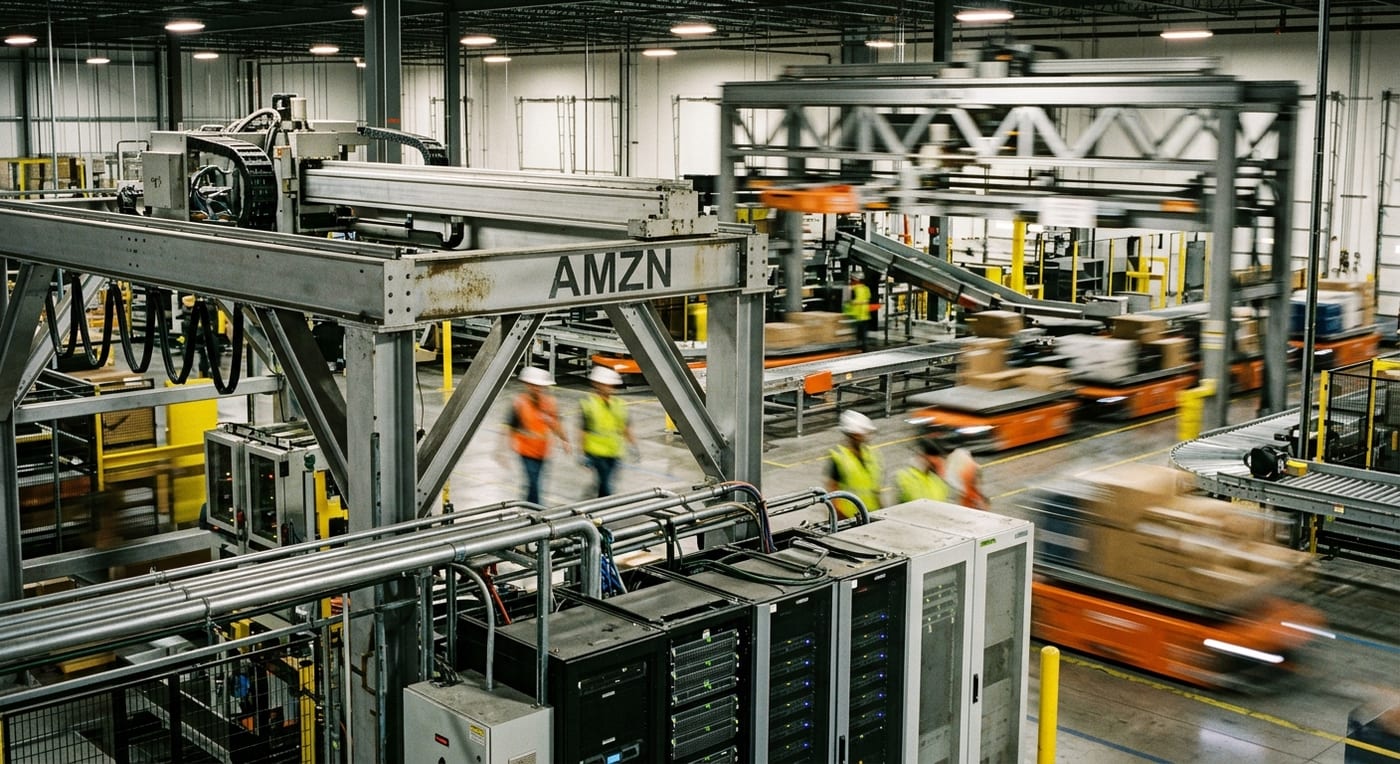
Central to Amazon's modernization strategy is Project Mercury, an extensive initiative designed to revolutionize its logistics network. Currently, Amazon operates around 85 facilities dedicated to same-day delivery, but the plan is to expand this network to over 1,000 facilities by 2031. This bold move aims to position Amazon to manage nearly 90% of U.S. package deliveries through its own network by 2029. Such ambitious goals indicate not only a commitment to improving delivery speeds and efficiency but also a strategic play to outpace competitors like Walmart.
The expansion of this logistics network speaks volumes about Amazon's mindset in connecting faster delivery options to consumer satisfaction and retention. With more facilities, Amazon can streamline operations, reduce reliance on third-party carriers, and enhance the overall customer experience by delivering more products faster than ever before. This overhaul is pivotal as the retail landscape faces increasing pressures, and online shopping demands rapid fulfillment in an ever-more competitive environment.
Though the logistics improvements are significant, they require substantial investment and planning. In its previous coverage, the logistics overhaul was highlighted as crucial for Amazon to defend its market share and position amid soaring consumer expectations for speed and reliability.
AWS: Fueling the Future with Enhanced Capacity
In tandem with its logistics strategy, Amazon is investing a staggering $220 billion in its cloud computing segment, AWS. This expenditure is not merely about expanding data centers but specifically targeting the burgeoning demand for artificial intelligence (AI). CEO Andy Jassy has pointed out that AWS currently lacks sufficient computing power to meet demand estimated for 2026 and beyond, highlighting a substantial backlog of $496 billion is building at triple-digit growth rates.
Despite the current negativity associated with high capital expenditures, analysis suggests that these investments are not only necessary but vital for maintaining AWS's competitive edge in the cloud sector. During Q2, AWS reported a remarkable 37% year-over-year increase in revenue. This acceleration, a step up from the previous quarter's 28%, illustrates that the investments Amazon is making today are beginning to pay off.
Moreover, the operational income sourced from AWS is climbing significantly, accounting for about 60% of Amazon's total for the quarter. Projected growth in AI demand reinforces the strategic placement of these funds. As AI technology becomes more pervasive, Amazon’s foresighted investments in cloud capabilities may solidify its standing as a primary provider for businesses increasingly reliant on these technologies.
Competitive Landscape and Market Strategy
As Amazon increases its investments in logistics and cloud services, it also faces an evolving competitive landscape, particularly concerning AI-driven consumer tools. Meta's recent introduction of the Muse AI personal assistant is a case in point. It has begun to encroach on the consumer digital journey that Amazon historically dominated, generating concerns within Amazon about protecting the integrity of its customer relationships.
The company has proactively blocked Muse from purchasing products on its platform, reinforcing its commitment to safeguarding direct consumer interactions and preferences. This stance echoes Amazon’s approach of maintaining quality control over its market offerings. The company’s history of deep partnerships and ecosystem ties with AWS clients further illustrates that it prioritizes long-term relationships over short-term gains—an attitude that fosters loyalty and reduces the risk of client churn.
The competition with competitors like Meta emphasizes the fragmentation taking place in the digital marketplace, where new AI-powered services threaten to alter consumer behavior. As third-party AI services begin to influence the shopping landscape, Amazon’s investments will help bolster its traditional strengths in retail against this new wave of digital assistants.
Looking Ahead: Investor Sentiment and Future Growth
Amazon’s commitment to long-term strategic planning rather than paying dividends—which it has eschewed throughout its operational history—has traditionally instilled confidence among investors. By investing in logistics and AWS instead of offering short-term returns, the management team demonstrates its dedication to building sustainable growth models.
This strategy bears fruit in growing cash flow—the ability to generate funds from operations remains robust even as capital expenditures escalate. With AWS’s operational successes supported by heavy investment, analysts view Amazon stock as an opportunity for substantial gains moving forward.
Indeed, as the logistics and cloud divisions continue to develop, the potential is ripe for realizing greater profitability and market share in rapidly consumer-driven markets.
Conclusion
Amazon.com, Inc. stands at a transformative crossroads, simultaneously enhancing its logistics capabilities through Project Mercury and aggressively expanding AWS to cater to burgeoning cloud demand. The dual strategy not only envelops the essence of Amazon’s operational philosophy but also secures its foothold against mounting competition.
As investors watch closely, the trajectory of Amazon's ambitious plans suggests a bright future filled with the potential for significant returns and sustained growth. The overarching narrative is clear: Amazon’s influential strategies in logistics and cloud computing are setting the stage for success in an evolving marketplace, reinforcing its status as a leading force in global commerce. The same pressure is reflected in recent reporting on the issue, which helps explain why the company's pricing decisions remain under scrutiny.