

Amazon's Bold Future in Logistics and Cloud
ED
Editorial
Cashu Finance·4 min read
TL;DR
- Amazon aims for self-delivery of 90% of U.S. packages by 2029.
- AWS drives significant revenue growth and profitability.
- Heavy investments in AI infrastructure could offer substantial future returns.
Amazon.com, Inc. ( AMZN) is embarking on a transformative journey to fundamentally reshape its logistics and cloud computing operations. Under the leadership of CEO Andy Jassy, who succeeded Jeff Bezos, Amazon is setting ambitious goals that not only aim to enhance profitability but also position the e-commerce giant as a leader in an increasingly competitive marketplace. As the company adapts to evolving consumer demands and macroeconomic challenges, its focus on self-delivery capabilities and the booming cloud services sector through Amazon Web Services (AWS) is set to redefine its growth trajectory. That backdrop echoes earlier coverage of the issue, especially around how pricing, strategy, and demand feed into the current story.
Strategic Logistics Overhaul
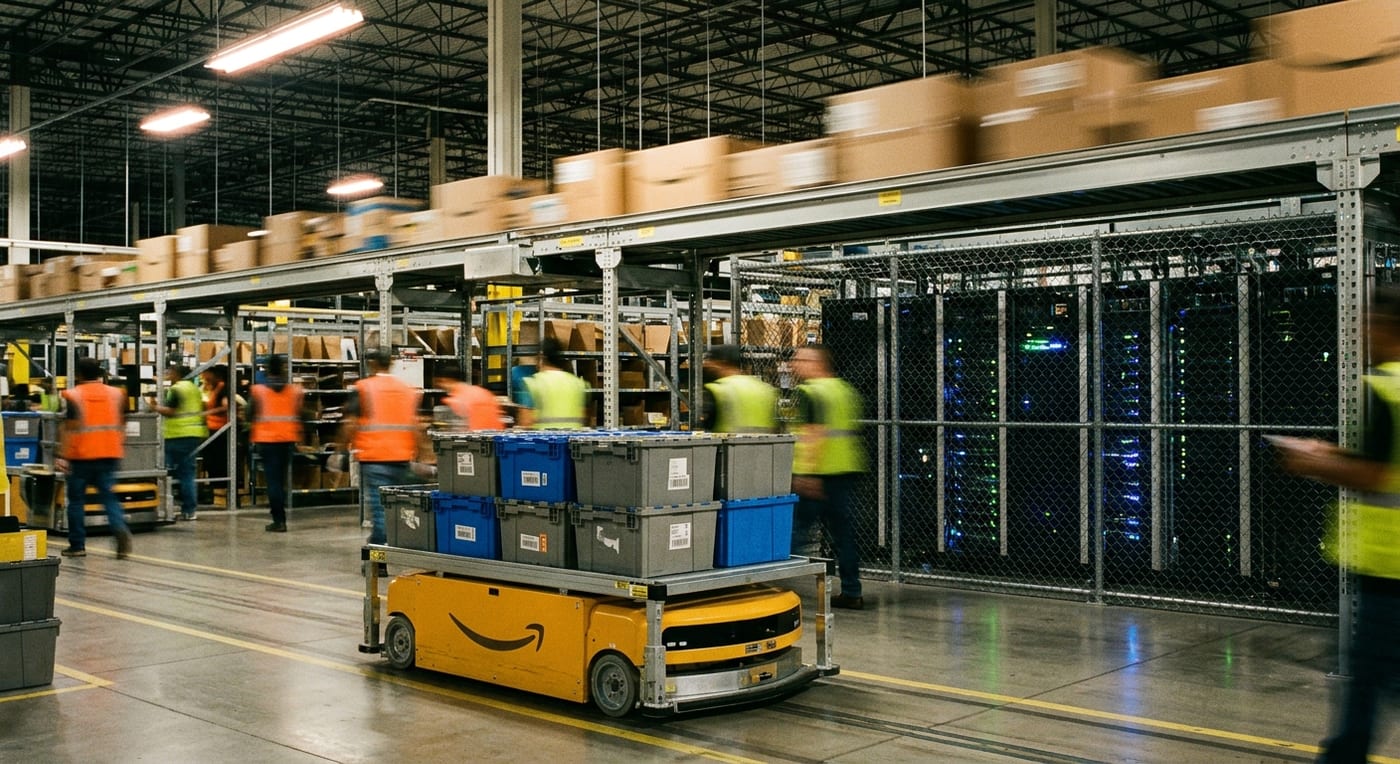
A core component of Amazon's strategy involves a significant transformation of its logistics network. The company has ambitious plans to manage nearly 90% of its U.S. package deliveries through its own logistics operations by 2029. This shift is not merely a response to market demands but a calculated move to enhance operational efficiencies and reduce dependence on third-party carriers. By internally managing the delivery process, Amazon aims to lower shipping costs, which is crucial in a sector where price competitiveness is key.
Earlier discussions have highlighted Amazon's commitment to self-delivery capabilities. As noted, Amazon's internal projections indicated that it could manage approximately 88.7% of U.S. packages within the next six years. This transition embodies a strategic evolution in logistics, ensuring that Amazon can maintain its leadership in e-commerce while maximizing margins. The focus on bolstering delivery capabilities aligns seamlessly with increasing demands in the market, where consumers expect swift and reliable shipping.
Strengthening the Cloud with AWS
Beyond logistics, AWS continues to play a pivotal role in Amazon's financial performance. This division has become the backbone of the company's profitability, reinforcing its market position against other rivals like Microsoft Azure and Google Cloud. As of the second quarter of 2026, AWS reported a remarkable 37% year-over-year growth, generating more than $42 billion—reflecting the increasing demand for cloud services amidst the rise of generative artificial intelligence.
The exponential growth of AWS, which now accounts for over 60% of Amazon's total operating income, signals a robust future. Notably, CEO Jassy's previous leadership in AWS has equipped him with insights that are crucial for navigating the rapidly expanding cloud landscape. Amazon's target of making AWS a $1 trillion business in the future indicates the company's high ambitions and confidence in its cloud offerings.
Investment in AI Infrastructure
With the race toward AI computing intensifying, Amazon is making significant capital expenditures. In 2026, the company, alongside its peers, is expected to invest more than $760 billion in infrastructure necessary to support AI technologies, including data centers and custom chips. These investments are strategic responses to avoid falling behind in the competition for cloud services.
While some analysts remain cautious about such large expenditures, they underline Amazon's resilience and foresight in securing market share in AI. Further, these investments are bolstered by a substantial customer backlog, reinforcing the need for additional capacity to meet future demands. Bill Ackman, a notable investor in Amazon, shares similar views that management's investments in AWS and AI infrastructure are poised for high returns, further driving Amazon's growth.
Navigating Competitive Risks
However, the scale of investment brings inherent risks. A misjudgment of future demand could lead to overcapacity, a scenario not uncommon in rapidly evolving tech landscapes. Companies like Amazon must ensure their projections align with market realities as AI technologies mature and customer needs evolve. Investors should closely monitor the performance and utilization of AWS's infrastructure to gauge the effectiveness of these expansions and whether they promise an attractive return in the long run.
Conclusion
Amazon's multifaceted strategy, focusing on logistics and AWS, positions the company favorably amid fierce competition and industry changes. The company's detailed plans to refine its delivery systems and expand its cloud operations showcase its commitment to innovation while managing costs effectively. Looking ahead, Amazon's trajectory suggests that strong growth, driven by self-delivery and AWS's continuing prominence, is attainable. As the company invests heavily in AI infrastructure, it must tread carefully to align its operational capabilities with market expectations. With such strategically aligned growth initiatives, Amazon is not just preparing for the future; it is actively sculpting it. The same pressure is reflected in recent reporting on the issue, which helps explain why the company's pricing decisions remain under scrutiny.