

Amazon's Ambitious Journey in Logistics and AI
ED
Editorial
Cashu Finance·5 min read
TL;DR
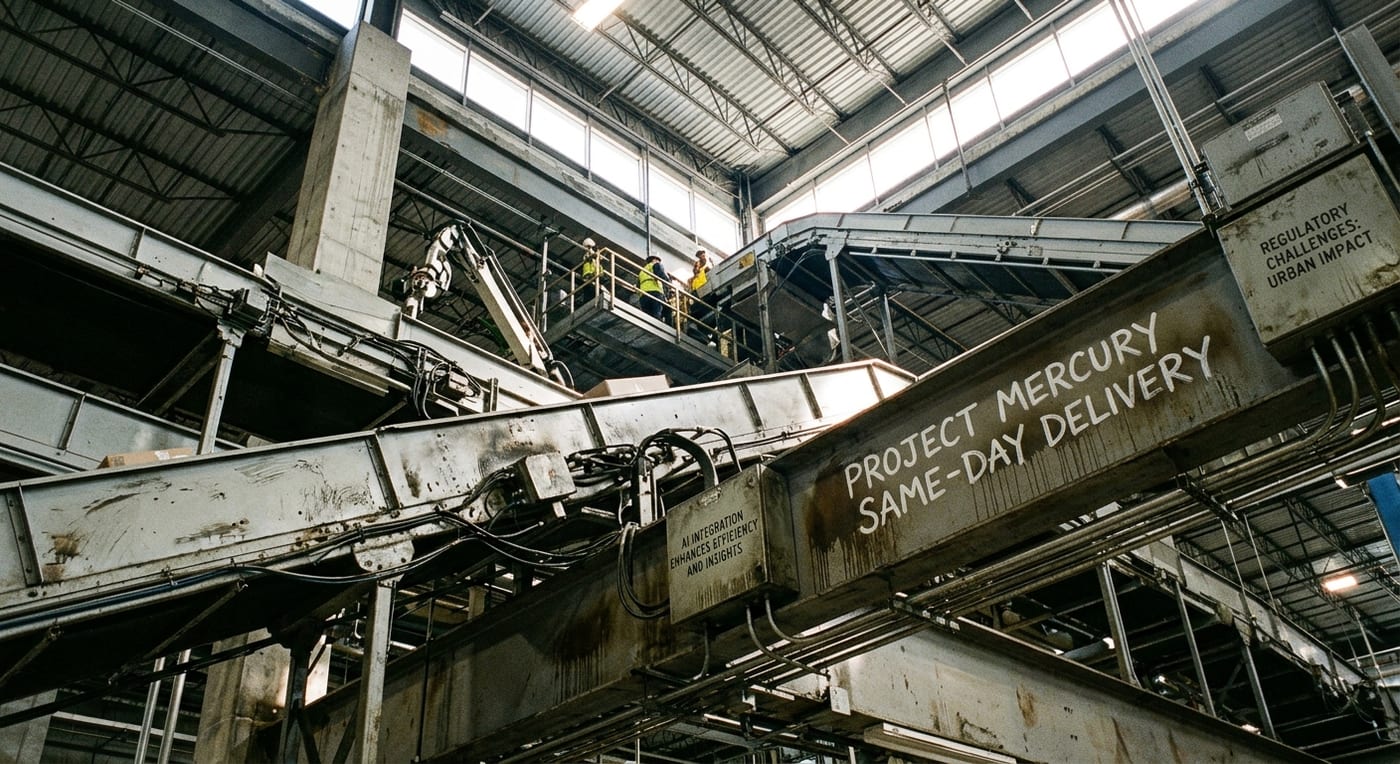
- Project Mercury expands Amazon's same-day delivery network significantly.
- AI integration enhances operational efficiency and customer insights.
- Regulatory challenges may impact Amazon's workforce in urban areas.
Amazon.com, Inc. ( AMZN) is entering a transformative phase as it invests heavily in logistics and artificial intelligence (AI). With its ambitious Project Mercury initiative, the company plans to reshape the delivery landscape and leverage AI to streamline operations. This article explores these developments, their implications for Amazon's business model, and what lies ahead for investors in light of these strategic moves.
Project Mercury: A Bold Logistics Expansion
At the center of Amazon's logistics overhaul is Project Mercury, a groundbreaking initiative aimed at expanding Amazon’s same-day delivery capabilities. Currently, Amazon operates around 85 facilities dedicated to rapid deliveries, but plans are in place to increase this number to over 1,000 by 2031. This expansion will allow Amazon to control nearly 90% of package deliveries throughout the U.S., positioning the company to enhance efficiency and drive customer satisfaction.
The ambitious goal is not just about growing the physical footprint; it represents a paradigmatic shift in how Amazon approaches logistics. Historically, Amazon has utilized a network of third-party delivery services, but by owning more of its delivery infrastructure, the company anticipates significant reductions in operational costs. The implications are profound, especially considering how logistics optimization can bolster margins, improve delivery times, and ultimately lead to higher consumer demand for Amazon's products. According to previous insights, expanding logistics capabilities is integral to Amazon's strategy, enabling substantial operational efficiency and competitive edge.
The Role of AI in Amazon's Strategy
As Project Mercury unfolds, the role of artificial intelligence in Amazon's operations cannot be overlooked. The integration of AI is paramount in facilitating the logistics transformation by enhancing operational workflows and customer insights. With investments focused on advancing AI tools, Amazon is better equipped to analyze consumer behavior, predict demand patterns, and streamline the supply chain. This creates a feedback loop where improved efficiency feeds into enhanced customer experience, driving further demand.
Moreover, Amazon's cloud computing division, Amazon Web Services (AWS), significantly contributes to its financial stability and growth. With AWS generating approximately 60% of Amazon's operating income, its expansion is critical. The notable growth of AWS parallels the deployment of AI resources, making it clear that Amazon is leveraging its leadership in cloud technology to fuel its logistics capabilities as well.
Investments in AI and logistics create a synergistic effect that positions Amazon favorably against competitors in the fast-evolving e-commerce landscape. This robust approach not only strengthens Amazon's market presence but also reinforces investor confidence in its long-term growth potential, despite any short-term financial fluctuations.
Legal and Regulatory Challenges
While Amazon's logistics expansion is a strategic move forward, regulatory challenges loom on the horizon. Recently, the company has faced scrutiny over proposed labor laws in various locations, particularly New York City. The Delivery Protection Act, which mandates that Amazon directly employ delivery workers currently contracted through third parties, could significantly impact how Amazon operates in urban metropolitan areas.
Industry experts predict that if this bill passes, Amazon might preemptively close multiple warehouses and significantly reduce its New York workforce. Such a pivot would not only disrupt local employment but could also lead to realignment of logistical strategies across the city. Observations from past behaviors in Quebec offer a cautionary tale, highlighting how Amazon has historically opted to consolidate or close facilities in response to labor pressures. This scenario underscores the balancing act Amazon must perform between legislative compliance and maintaining operational efficiency.
Financial Outlook Amid Transformations
As Amazon charts its course with extensive capital expenditures and ambitious projects, it also faces challenges in achieving net income growth. The company's recent financial performance indicates that while net sales have risen, substantial portions of profits have stemmed from investment gains rather than operational earnings. Continuous investments in capital projects, particularly in cloud infrastructure and AI technology, could strain its balance sheet in the short term.
Despite these pressures, many analysts maintain a bullish outlook on Amazon's long-term potential, reflecting confidence in the underlying strength of its logistics and AI-driven growth strategies. For investors, being patient may be required as Amazon navigates these transformative changes.
Ultimately, the long-term growth narrative for Amazon hinges on its ability to effectively execute Project Mercury and enhance its artificial intelligence capabilities. The potential for margin improvements and customer growth through enhanced logistics expansion will be critical in shaping its future performance.
Conclusion: Charting a New Course
Amazon’s journey via Project Mercury and its emphasis on artificial intelligence is poised to disrupt traditional logistics models while enhancing customer experience. As the company works through regulatory constraints and capital investments, its strategic focus on creating a more integrated delivery network linked to advanced AI technologies positions it for substantial growth.
With logistics as a cornerstone of its competitive strategy, and AI driving efficiencies, Amazon aims not only to adapt but lead in an increasingly complex marketplace. Investors looking at Amazon can find reassurance in the long-term prospects of its innovative ventures, even as the path ahead might be riddled with challenges. This confluence of transformative initiatives marks a pivotal time for Amazon and shapes an intriguing narrative for stakeholders and market observers alike. The same pressure is reflected in recent reporting on the issue, which helps explain why the company's pricing decisions remain under scrutiny.