

Alarum Technologies: Legal Woes Intensify
ED
Editorial
Cashu Finance·5 min read
TL;DR
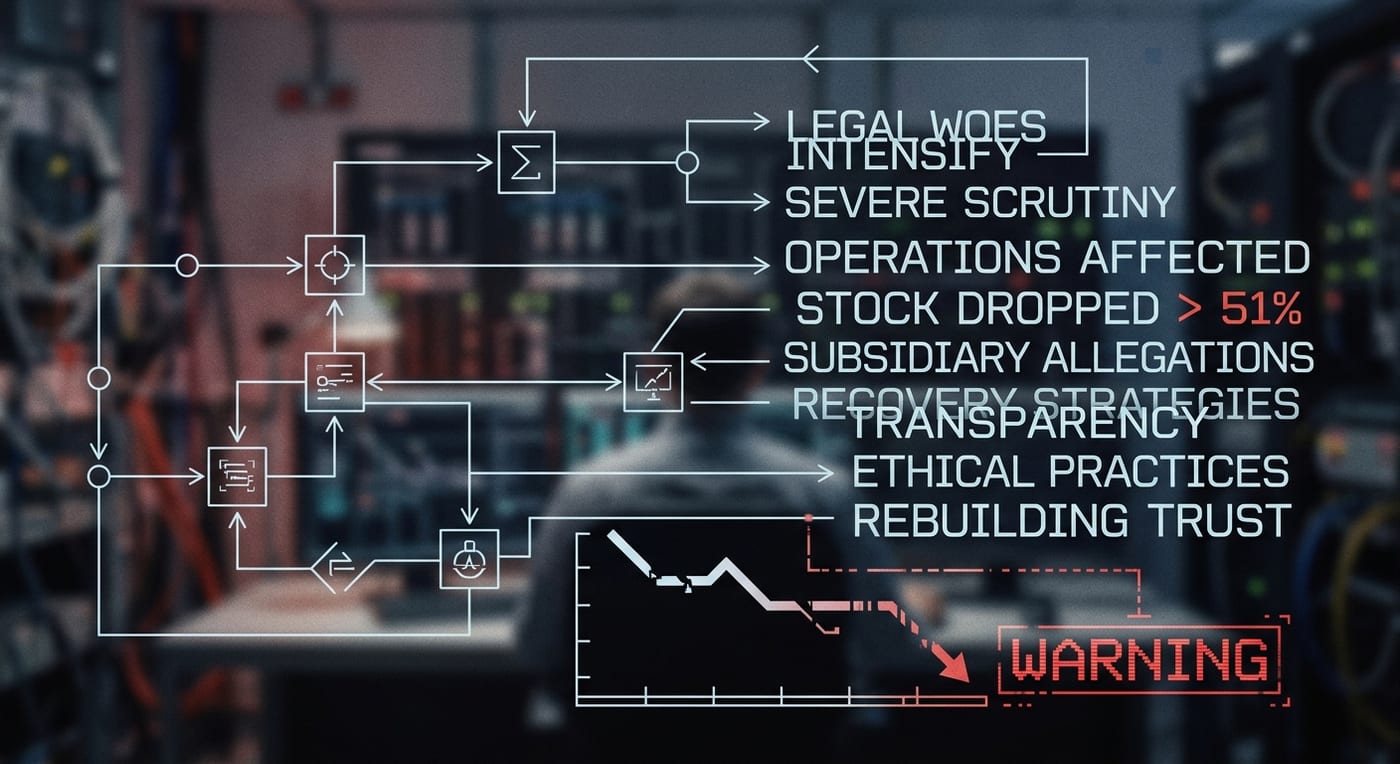
- Alarum Technologies faces severe legal scrutiny affecting its operations and future.
- The company's stock has dropped over 51% amid allegations regarding its subsidiary.
- Recovery strategies focusing on transparency and ethical practices are critical for rebuilding trust.
Alarum Technologies Ltd. (ALAR) is drawing attention as the latest developments come into focus. Alarum Technologies Ltd. (ALAR) is amidst a tumultuous phase characterized by significant legal scrutiny and market challenges, causing a stark decline in its stock performance and investor confidence. These issues are largely rooted in the actions and accusations surrounding its subsidiary, NetNut, which have raised critical ethical and operational concerns that could have far-reaching implications for the company's future. With a recent plunge in stock value exceeding 51%, Alarum’s ability to navigate this landscape becomes paramount as it seeks to regain stakeholder trust and operational viability.
The Nature of Legal Challenges
The troubles for Alarum began escalating particularly on July 2, 2026, when federal authorities, including the FBI, seized several domains tied to NetNut. Allegations surfaced claiming the subsidiary had been engaging in unauthorized activities by linking customers' home internet devices into a proxy network without their explicit consent. This breach raised serious consumer privacy concerns, leading to substantial legal ramifications for Alarum Technologies. Investors are wary as these revelations cast doubt on the company's governance and ethical standards, further impacting its market valuation.
As highlighted previously, the legal challenges have triggered multiple securities class action lawsuits against Alarum Technologies. According to the allegations, the company's management failed to adequately disclose the legal vulnerabilities stemming from NetNut's operations. Investors who acquired Alarum securities during the period from March 20, 2025, to July 2, 2026, face complicated pathways to potentially reclaim their losses under the ongoing class action. For these investors, the October 5, 2026 deadline to serve as lead plaintiff looms large, as firms like the Rosen Law Firm and Kaplan Fox & Kilsheimer LLP publicly remind shareholders of their rights amidst the crisis.
Market Reaction and Stock Performance
Alarum Technologies' plummet from the market spotlight has been swift and unforgiving. The company's stock value nosedived in response to the troubling news about its subsidiary, achieving a stark decrease of over 51% in market capitalization. This dramatic decline reflects not just investor sentiment but also raises questions about the operational integrity of Alarum and, more broadly, highlights the volatile nature of market reactions to legal uncertainties.
Given the intricate connection between ethics and shareholder value, traders and investors now appear to be navigating treacherous waters, recalibrating their expectations as the situation unfolds. Investors' hesitancy is further supported by previous announcements detailing the class action lawsuits initiated against Alarum. Such scrutiny not only affects immediate trading strategies but also places deeper worries over future profitability and strategic planning.
Navigating the Recovery Road
In light of the turmoil, Alarum Technologies is formulating recovery strategies aimed at reinstating trust and operational integrity. A continued focus on transparency and ethical practices is critical in these proceedings. The company is reportedly in the process of evaluating its compliance measures and operational oversight in a bid to restore investor confidence. Strengthening internal governance mechanisms is crucial to mitigating similar issues down the line.
In a publicly stated effort to regain trust, the management has acknowledged the importance of ethical operations and has hinted at a revamped approach towards compliance that adheres to both legal standards and industry best practices. Such measures will be vital if Alarum aims to heal its tarnished reputation among investors and consumers alike.
The market will look closely at how this commitment to improvement translates into action. As speculated, higher engagement with stakeholders and proactive communications will be crucial for Alarum's long-term recovery. Furthermore, investor relations must be strengthened through transparent dialogue, aligning with the recovery strategies being developed.
Looking Ahead
As Alarum Technologies navigates its current legal troubles, the future remains uncertain. The upcoming class action lawsuits, the repercussions of which could heavily impact the company's finances, point to an imperative need for astute legal maneuvers. Speaking to the company's investor base, the timelines leading up to court dates will be crucial in shaping investor sentiment and market valuation.
Moreover, class action suits arise not only as a threat but also as an opportunity for substantial investment in corporate governance reforms—if managed wisely. The evolving narrative surrounding Alarum will be closely followed as it embarks on this navigating course through turbulent waters.
In conclusion, Alarum Technologies faces a stern test of resilience as the company grapples with its ongoing legal challenges and seeks to recover lost ground in the marketplace. The effectiveness of its recovery strategy in aligning with ethical standards will be a significant factor in determining its future trajectory, making it an essential case study in corporate accountability and investor relations in the modern era.
For stakeholders looking to understand the broader implications of this crisis, the upcoming weeks will shed light on how Alarum proceeds through a landscape fraught with both challenges and potential pivots towards greater corporate responsibility. The same pressure is reflected in recent reporting on the issue, which helps explain why the company's pricing decisions remain under scrutiny.